Velocity has changed baseball for the better.
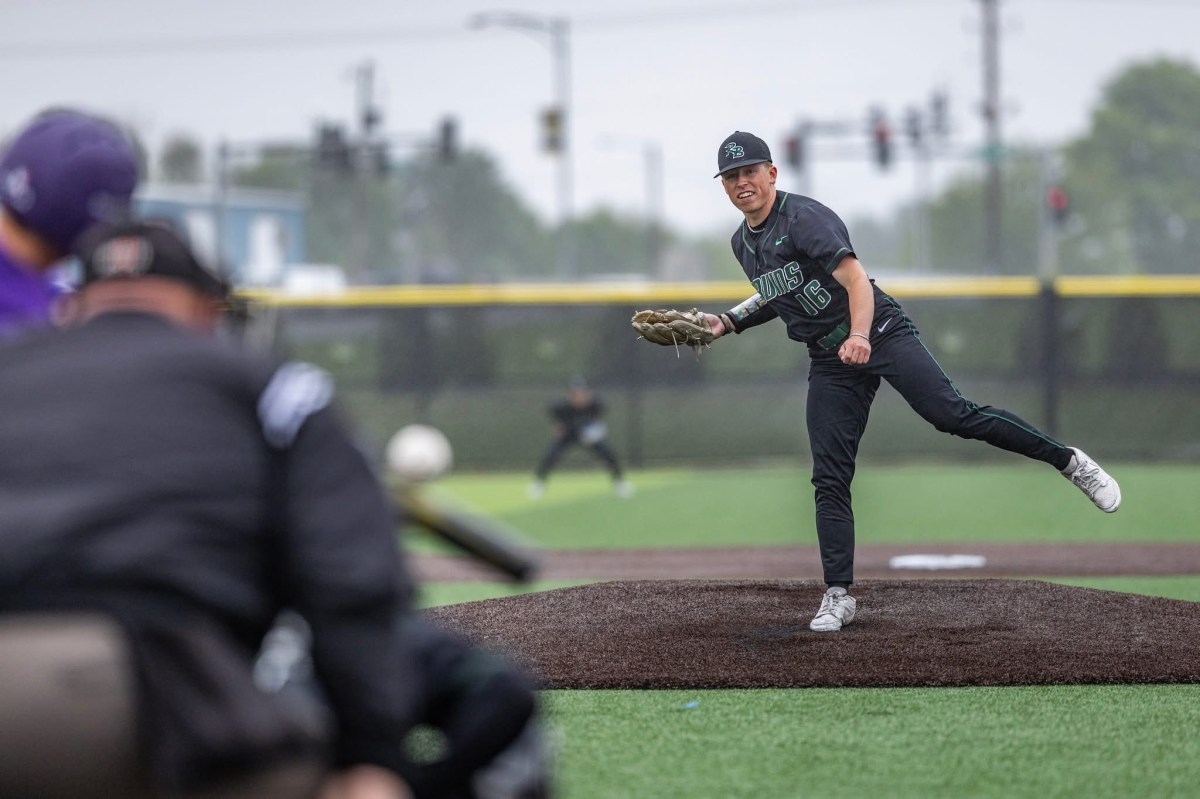
Pitchers are throwing harder than ever before, and that’s not a bad thing. Training methods have improved, strength and conditioning programs have evolved, and information is more accessible than at any point in the history of the game. Over the last two decades, average MLB fastball velocity has increased from roughly 89 mph to 94-95 mph. In 2008, only about 13% of Major League pitchers averaged 95 mph or higher. By 2025, that number had grown to approximately 42%. What was once elite velocity has become commonplace.
The game has evolved, and pitchers today are better athletes because of it. But somewhere along the way, the pursuit of velocity stopped being a tool and became the objective. In the process, we’ve slowly moved away from teaching the other half of pitching.
Every trend in baseball starts at the professional level and works its way down. What succeeds in Major League Baseball eventually influences college baseball, then high school baseball, then travel baseball and private training facilities. Today, velocity sits at the center of nearly every development conversation. Recruiting posts highlight velocity. Showcase events highlight velocity. Social media feeds are filled with radar gun readings, spin rates, and pitch metrics. That’s what gets attention, and ultimately that’s what gets young players to believe matters most.
The problem is that many pitchers have started to equate throwing hard with pitching well. They’re not the same thing.
I’m not against velocity development. Every pitcher should pursue physical development, strength gains, and improved velocity. There is absolutely a place for long toss, weighted balls, high-intent throwing, and other velocity-focused training methods. The issue isn’t that we’re training velocity. The issue is that we’ve become so focused on training velocity that command has become an afterthought.
As an industry, we’ve become exceptional at teaching pitchers how to throw harder. I’m not convinced we’re doing an equally good job teaching them how to pitch.
We’ve Created More Throwers Than Pitchers
One of the biggest differences I see when watching high school, travel, and even college baseball is the lack of adjustment-making. Many pitchers have developed the ability to move fast and produce velocity, but when something goes wrong, they don’t know how to fix it. When their timing is off, they struggle to recognize it. When their arm is late, they don’t know how to make an adjustment. When they don’t have their best fastball that day, they don’t know how to compete without it.
Pitching has always been a game of adjustments. The best pitchers aren’t necessarily the ones who feel great every outing. They’re the ones who can recognize when something is off and make the necessary changes before it costs them. That’s a skill that comes from understanding your delivery, understanding your body, and repeating your movements consistently. Unfortunately, those skills aren’t nearly as glamorous as a radar gun reading.
We’ve created more throwers than pitchers. We have players who can produce impressive velocity in a bullpen setting but struggle to consistently repeat their mechanics over the course of a game. They have the tools, but they lack the stability, repeatability, and command necessary to maximize those tools when it matters most.
And that’s where the command problem begins.
I Don’t Care How Hard You Throw Ball Four
I don’t care how hard you throw ball four. I need you to throw strike one.
College baseball provides a good example of this trend. While velocity continues to rise across all levels of the game, NCAA walk rates remain elevated, hovering around 11-12 percent nationally. There are certainly multiple factors contributing to that number, but it raises an important question: Have we become so focused on developing velocity that we’ve neglected developing pitchers?
[Insert NCAA walk rate data and trend graph]
Hitters have adjusted to velocity. Ninety-five miles per hour isn’t nearly as rare as it once was. What remains rare is a pitcher who can consistently execute, command multiple pitches, and make adjustments throughout an outing.
At some point, every pitcher reaches a level where everyone throws hard. When that happens, command becomes the separator.
The answer isn’t to stop training velocity. Velocity matters and always will. Pitchers should continue to get stronger, throw with intent, and pursue physical development. However, velocity cannot come at the expense of stability, repeatability, arm timing, and command. If a pitcher can move fast but can’t consistently repeat those movements, command will always be difficult to achieve. If he doesn’t understand how to make adjustments when things begin to break down, velocity alone won’t save him.
The Pendulum Needs to Swing Back
Baseball doesn’t need less velocity. It needs more balance.
The pendulum has swung heavily toward velocity over the last decade, and for good reason. But command deserves a seat at the table again. Pitchability deserves a seat at the table again. Mechanical consistency deserves a seat at the table again.
The next step in pitcher development isn’t choosing between velocity and command—it’s learning how to develop both.
Because eventually everyone throws hard.
The pitchers who continue advancing are the ones who can actually pitch.


 Painting Corners Blog