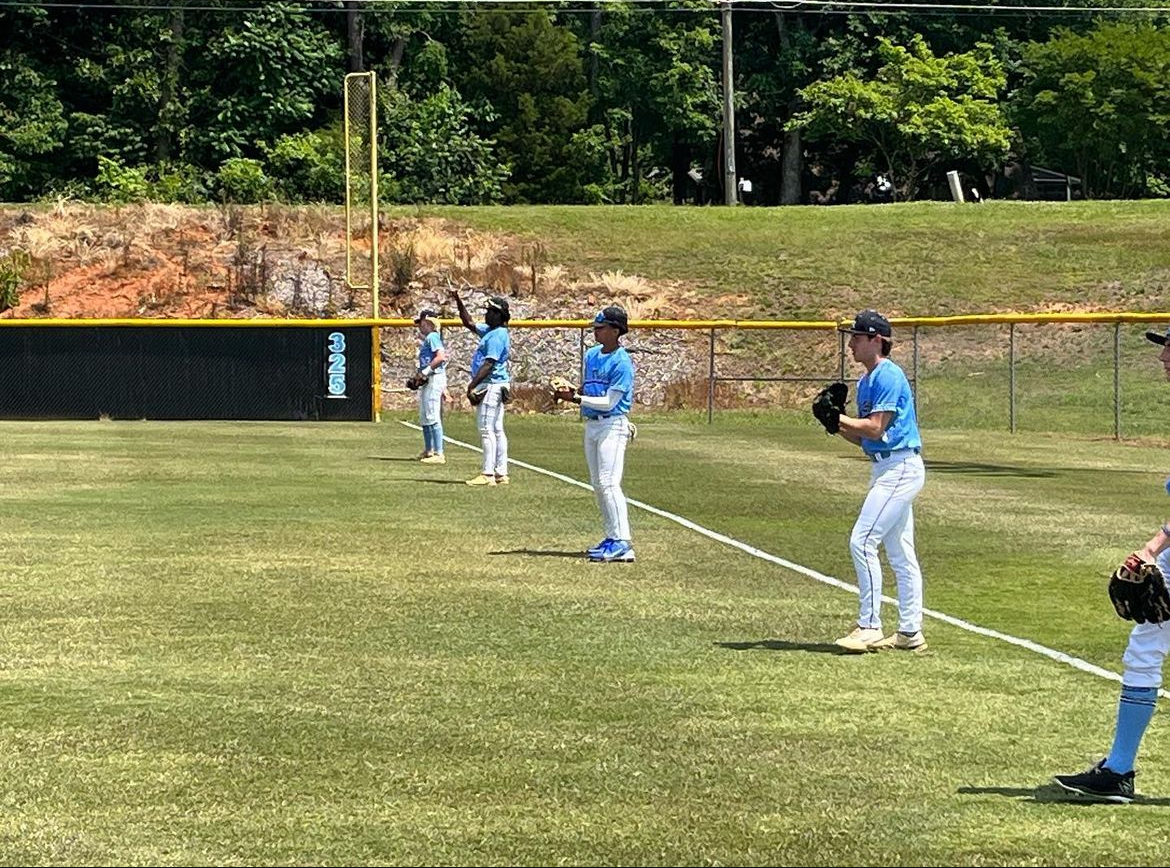
The quality of your throwing session or catch play is dictated by your ability to execute a proper throwing progression, starting with your very first throws. Every throw counts – whether you’re gearing up for a game, throwing a bullpen, or participating in a recovery day session. A well-structured throwing routine not only helps prevent injuries but also improves accuracy, arm strength, and overall mechanics. Apply these standards to maximize your potential on the field and set yourself up for success!
Establish Your Mechanics
Your first throws are crucial to set the tone for the rest of your session. Make sure they are focused, controlled and deliberate. Start with low-intensity drills that isolate the upper half at a shorter distance, working all the way to the full range of motion. The ten toes drill, when done correctly, can help you lock in your mechanics.
Locking in your mechanics early on reinforces proper muscle memory and ensures that your arm moves smoothly and efficiently through the correct range of motion. Skipping this step by lobbing your first few throws just to see if the ball will get to your partner leads to poor habits, which will only become harder to correct as the intensity increases. Make those first throws count, and the rest will follow.
Have a Focus
You can make meaningful progress by setting clear goals for yourself with each session. Your goal could be mechanical, building arm strength, working on consistency/accuracy, recovery, refining a particular pitch, or working on multiple objectives. Going into each day with a clear objective gives purpose to your throws. Without a goal, it’s easy to fall into a lull during catch play and waste valuable repetitions.
Before starting your catch play, decide what you want to get out of it. This could be hitting a consistent target, working on a certain mechanical cue, improving arm endurance, or just achieving full range of motion in your mechanics the day after a bullpen or game.
Utilize the Feedback of the Baseball
As you move through your catch play, it’s essential to use feedback from each throw to fine-tune your mechanics and adjust accordingly. Pay attention to the flight of the baseball—whether it’s sailing, cutting, or staying true—as it is a direct reflection of how well you are maintaining your form. A ball that consistently tails to one side or lacks carry can signal issues with your grip, release point, or posture. Use this real-time feedback to make necessary tweaks, ensuring each throw becomes more precise and efficient. By staying mindful of how the ball reacts, you’re not just going through the motions, but rather actively improving with every toss.
In conclusion, every throw in your session matters, from the first warm-up toss to the final throw of the day. Establishing solid mechanics early on, setting a clear focus for each session, and paying attention to the feedback from the ball are key elements to maximizing your development as a player. Incorporate these principles into your routine and you will improve your arm strength, your accuracy, and build the consistency needed for long-term success. Approach each catch play with intention, and you will find that the quality of your work translates into better performance on the field.
 Painting Corners Blog