
Confidence is often tied to experience, but past success isn’t always available, especially when trying something new. For athletes, this is clear during the offseason when they develop new skills and push their limits. Without prior success to lean on, preparation becomes the foundation of confidence, proving that while experience helps, it’s not a requirement for success.
Past success can be a powerful driver of confidence. When you’ve accomplished something before, it reinforces your belief in your ability to do it again. For example, a pitcher who has consistently struck out batters in the past will naturally feel more confident taking the mound. However, there are times when you’re faced with situations where there is no track record to draw upon—perhaps you’re trying a new pitch or playing at a higher level of competition. In these cases, past success, while helpful, becomes irrelevant.
Preparation fills the gap when past success isn’t available. It’s about deliberate effort—putting in the time to practice, refine skills, and plan for success. Preparation builds confidence by ensuring that, even without prior experience, you’ve done everything possible to be ready. It’s the steady work behind the scenes that creates a foundation for trust in yourself when the pressure is on.
Every offseason, athletes face a unique challenge: they’re working on new skills, but those skills are untested in live game situations. Maybe they’ve spent months perfecting a swing adjustment or developing a new pitch. While they’ve trained hard, they haven’t yet seen results under real-world conditions. This can create doubt, as they have no past success with these improvements to fall back on.
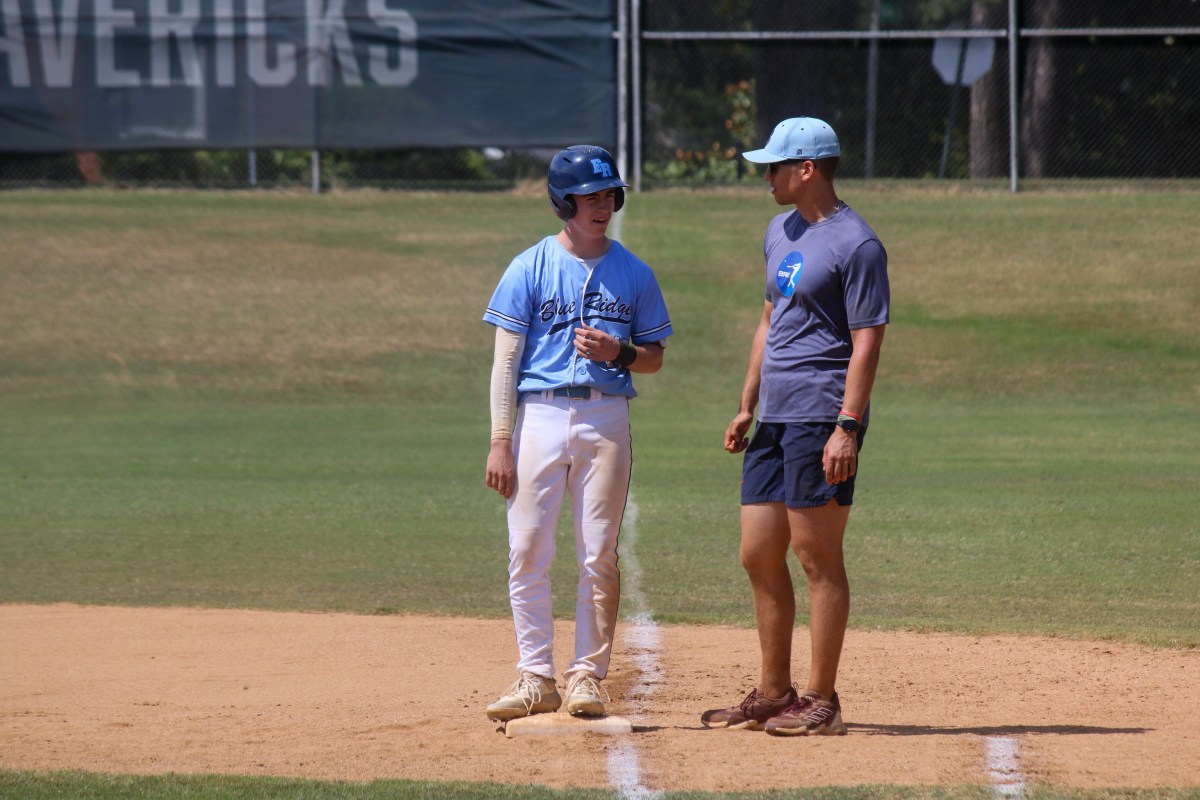
This is where preparation becomes crucial. Trusting the process—the hours of practice, the repetitions, the discipline—helps bridge the gap between potential and performance. A great example is a high school player making their varsity debut. They have no experience above JV or travel baseball, but their preparation during practice and scrimmages gives them the tools to succeed. Even without past success, their preparation allows them to believe in their ability to perform.
There are a few practical strategies that athletes can use to trust their preparation. The first is shifting your mindset to embrace discomfort and view it as a part of growth. Confidence doesn’t always come from knowing you’ll succeed; it comes from trusting that you’re prepared to give your best effort.
Another strategy is focusing on the controllables. Preparation is entirely within your control. You can’t predict the outcome of a game, but you can control how much effort you put into workouts, drills, and mental preparation. This focus builds internal confidence, independent of external results.
Lastly, visualization and mental imaging is a powerful tool for bridging the gap between preparation and performance. Athletes can mentally rehearse game situations, imagining themselves successfully using their new skills. This not only builds familiarity but also creates a sense of readiness for when the real moment arrives.
Experience is valuable, but it’s not always necessary. Confidence doesn’t have to come from having done something before; it can come from trusting the preparation that got you ready. Whether you’re an athlete facing your first game of the season or anyone stepping into a new challenge, success comes not from the past but from the work you’ve put in to prepare. When the moment arrives, trust the process, and let your preparation pave the way.
 Painting Corners Blog