It’s insane to see how the art of pitching is disregarded with the rise in the culture of velocity. I take in a lot of baseball – I’m a high school/travel coach who talks with other coaches and watches the MLB/college seasons. It’s my observation that the same story remains true year after year — pitchers that can pitch win more often than throwers. And for many younger players, learning how to pitch is not a priority.
Velocity receives so much attention across all levels of baseball, causing it to be singled out as the only way to grab eyes. It’s pervasive on social media. Pitchers just post their top fastball velocities from tournaments and showcases. College coaches recruit pitchers and bring in transfers that can pitch right away at high velocities. The same is true with pro ball where guys only get looks if they throw hard.
Why wouldn’t high school pitchers want to train for high velocity when it’s so glamorized? These pitchers want to throw as hard as possible and spin elite breaking balls because they think it equates to being a great pitcher. Don’t get me wrong, velocity and having good secondary pitches are very important to being a good pitcher. But it is far from enough if you want to be a great pitcher.
Velocity gets attention, but being able to pitch is what actually wins you ball games. Young pitchers need to realize how important it is to actually pitch. The two components of pitching are adapting to the game and working the strike zone. They have to know how to hold runners, pitch in different situations, and limit damage when innings go poorly.
Out of the two, working the zone is the most important component. It provides so many different looks that a hitter has to be prepared for. Reading a hitter’s swings, tunneling pitches, and throwing to all quadrants of the zone helps a pitcher stay in the game longer. Working the zone includes learning how to stay in the zone and pitch without your “A” stuff. Unfortunately, a byproduct of velocity-focused pitchers is a lack of control. Walks are killers. Walks halt momentum, losing the rhythm of the game for both you and the defense. Once a pitcher starts walking multiple hitters, their outings will be cut short.
I am watching a ton of postseason baseball and it’s obvious how important it is for starters to pitch deep into ball games. In 2022, teams were 21-6 when their starter pitched at least 6 innings, with five of those losses coming when the opposing pitcher also threw 6 innings. The same trend is present in the 2023 postseason, as we’ve seen multiple elite outings by starting pitchers in the first two rounds.
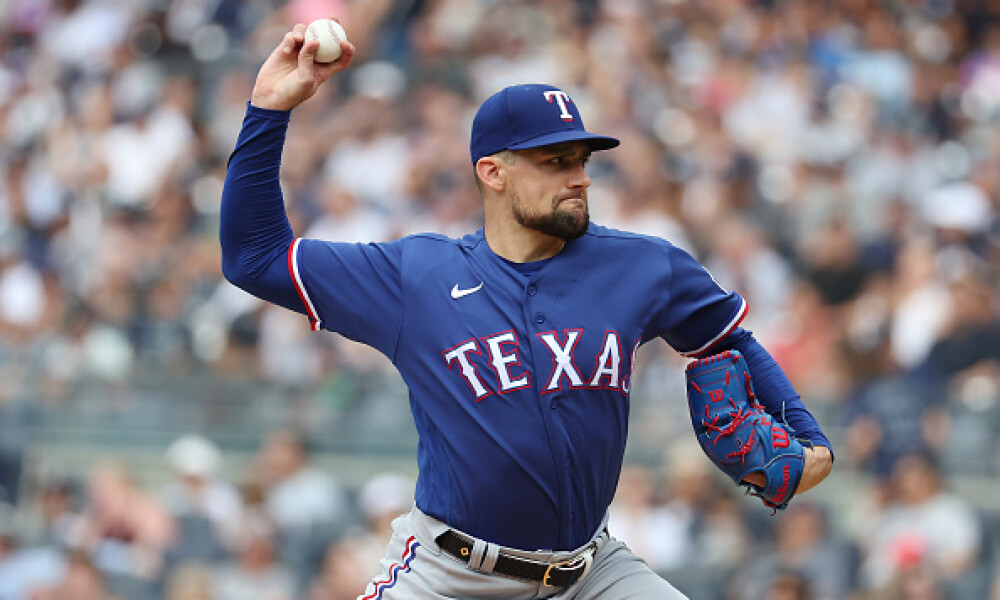
These starting pitchers are working through stress, managing workloads, limiting walks, and collecting more outs for their team to limit the bullpen. Pablo Lopez (Minnesota Twins) is an excellent example with two great starts. In Game 2 of the ALDS, facing one of the most dangerous lineups in the playoffs, he worked all of his pitches throughout the zone. He also limited any opportunities the Astros had by walking only one batter over seven innings. Nathan Eovaldi (Texas Rangers)also had two outstanding starts against the Orioles and Rays, not walking any batters and allowing only three runners to get into scoring position combined across 13.2 innings.
Learning to pitch is the difference between being the pitcher your team just puts out there and a guy your team relies on in high pressure games. Great pitchers – high schoolers that pitch at the next level – want to be the one who takes care of business when called upon. Velocity and secondary stuff is important, but you’re missing out if that’s the extent of your focus on the mound.
 Painting Corners Blog