If you want to be a competitive pitcher, you have to be able to throw inside to hitters consistently. Too many young pitchers neglect working a full half of the plate, limiting their overall effectiveness. Building confidence and having conviction to execute a pitch inside provides advantages that are necessary to be a stud pitcher.
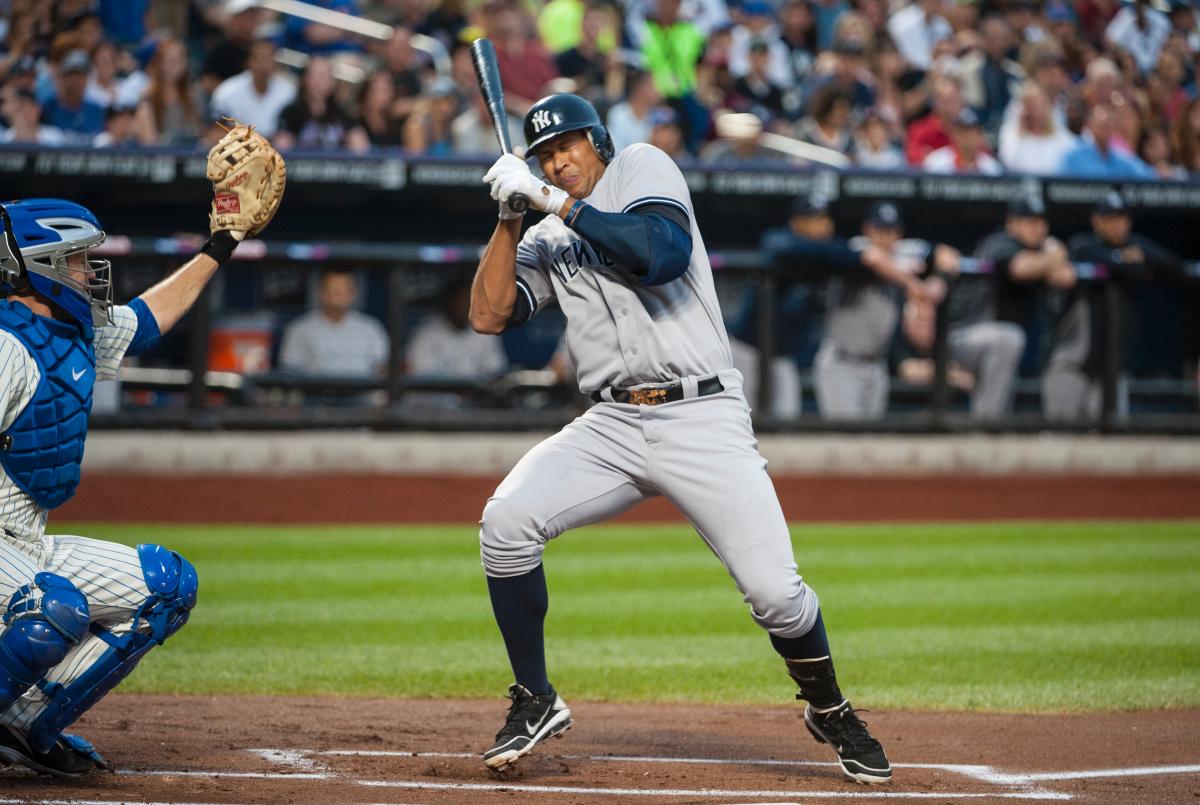
Why are pitchers scared to throw inside? There’s two main reasons that pitchers are afraid to throw inside: they are afraid of hitting batters and giving up hits. Seeing the catcher set up so close to the hitter causes anxious thoughts to pop up in their head, creating doubts in their ability to execute the pitch. The reality is if you throw inside, you will hit batters. That’s just an outcome you have to be okay with. There will always be negative consequences to missing a spot and hitting a batter isn’t the worst thing in the world. It hurts to get hit by a pitch, it leaves a bruise, and the hitter may be uncomfortable stepping into the box.
It’s hard to hit an inside fastball. Reality check….hitters mostly hunt pitches over the plate they can extend on, leaving the inner half more susceptible to missing their barrels. And even if they react to it and get extended, there’s a good chance they’ll pull it foul. By pitching inside, you’ll end up getting more jam shots off of the hands.
Why pitching inside is important.
Like I’ve alluded to earlier, pitching inside leads to a more uncomfortable at bats for the hitter. The hitter will just sit on pitches on the outer third if they know you’ll keep all of your pitches out there. Just throwing one pitch inside, decreases predictability to which location you might throw. Now the hitter has to respect the entire plate, opening up your ability to pitch outside effectively.
When hitters are aware of your inside pitch, you will have so many more options to sequence pitches by maximizing their effective velocity. Effective velocity is how fast the pitch appears when compared to the pitch that came before it. The location of the pitch changes how fast the pitch appears to the hitter because of how far they need to move their bat to make solid contact. Since a hitter has to meet the ball more out in front, an inside pitch’s effective velocity is higher than an outside pitch.
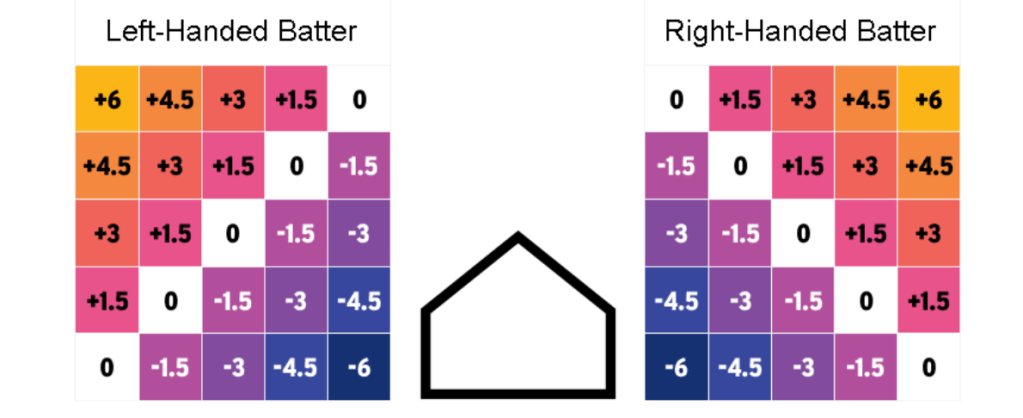
A fastball in has the highest perceived velocity while an off-speed pitch away has the slowest. If you sequence those two pitches together, the effective velocity will be significantly greater than if you threw them to the same location. This will force the hitter to react to a greater speed difference, throwing off their timing on your pitches. You could also do the same with a fastball inside and outside. Even though both pitches might be the same speed, their effective velocity is different because you could throw inside.
Lastly, consistently pitching inside shows coaches a level of maturity that not many high school or even college pitchers possess. At one point or another, all pitchers feared throwing inside. Learning to throw inside shows your capacity to build mental skills where others would succumb to the fear. It’s not a flashy skill, like increasing your velocity or learning a new off speed pitch…everybody wants to be able to do that. But if I’m watching a pitcher and they are throwing inside with confidence, I know that they have put work into the actual craft of pitching.
Building confidence is the name of the game to get better at throwing inside. Find a mechanical cue or a focal point on the catcher, and rep it out until you are confident when that catcher sets up right underneath the hands of the batter. Getting over that fear is a giant step in changing from a thrower to a pitcher.
 Painting Corners Blog
One reply on “Pitching Inside”
Great stuff as always – aloha Coach!
LikeLike