
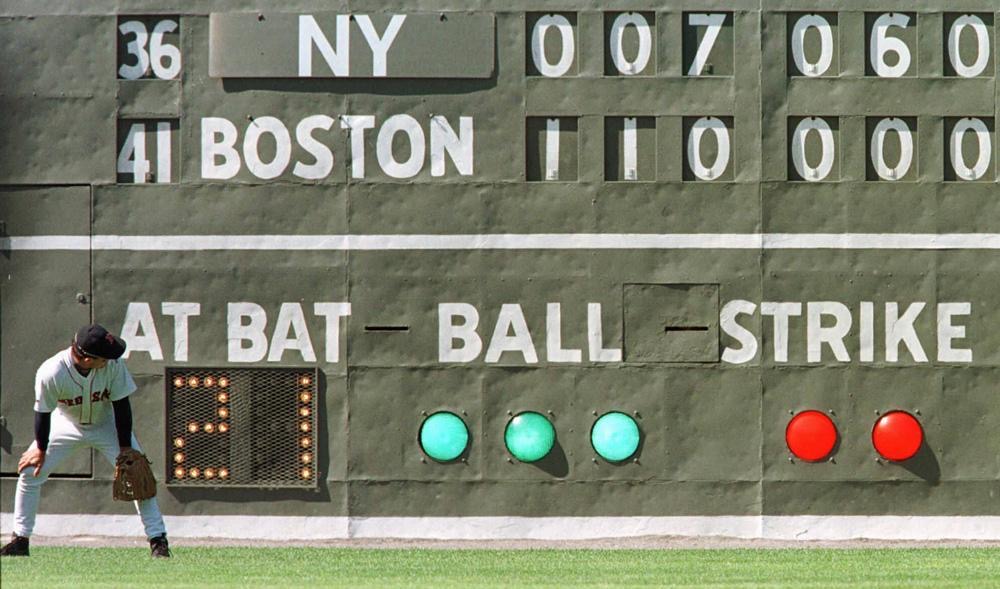
When I played in college, one statistic we tracked during games was the number of innings in which we gave up one or fewer runs. We believed that by only seeing 1s and 0s on the scoreboard, we’d put our team in a great position to win. I’ve seen that idea ring true with really any other team I’ve coached or played for. Avoiding those disastrous “big innings” puts your team in a much better position to win. It takes a lot of internal awareness to “plug the leak” in an inning that’s getting out of hand because you could really win or lose a game with one crooked inning.
As a pitcher, sometimes it seems like these big innings happen in the blink of an eye. I remember pitching in a summer league after my freshman year of college. I had been putting up quality outings all summer except for this one game where I gave up nine runs in an inning. I got through the first two innings without a problem. The third started with giving up some free bases to the bottom hitters, flipping it to the top of the lineup, and then the flood gates opened up.
In that situation, I felt like the big inning just ended up happening before I even knew what was going on. That excuse is common among many pitchers, which is why thinking that “it just happened” is one of the biggest reasons big innings occur. It means the pitcher lost awareness of the situation and really didn’t do anything in that moment to make any adjustments. It makes it sound like the pitcher had nothing to do with the inning and everything just happened to them. If a pitcher relinquishes control of the game like that, a big inning is bound to happen.
There are many factors that lead to the loss of awareness for the pitcher. Negative self-talk could develop when there’s traffic on the bases or multiple runs scored. Their focus could shift primarily to external factors, like errors, runners on base, hard-hit balls, or bloopers, removing their focus on the task at hand. Their mechanics could start breaking down because you’re thinking about working quickly or “just trying to throw strikes.”
There is one similarity between these factors: they are thoughts and behaviors. None of what I listed is based on performance or results, but just what precedes the outcome of giving up a big inning. There will be times when you will get beat in a spot with runners on base and give up multiple runs in an inning. But it’s all about how you respond to that adversity.
So how can we better equip ourselves when we can sense a big inning happening or a high-pressure situation coming? To combat the “it just happened” thought, the most important action is to step off the mound and recapture the tempo of the game. Remove yourself from the larger task. Instead of thinking about getting out of the inning with no runs, focus on executing your next pitch. Once you step back on the mound and throw your pitch, plan and execute the pitch after that. This helps you focus on the process and executing subtasks, slowly chipping away at completing the inning
If you find your internal conversation becoming negative, flip the perspective on the dialogue. If there’s a tough-luck hit or error, remind yourself that you executed your pitch and bad luck just happens. If the umpire makes a bad call, redirect your focus to what you can control, which is the next pitch. If you just gave up multiple runs, analyze and adjust your process however necessary then focus on that adjustment. The idea that baseball players need to have short-term memories is vital in limiting a big inning from becoming even bigger.
A single big inning can be deadly in a baseball game. It can put a lead out of reach, swing momentum to the other dugout, or just knock the wind out of your team. Nobody likes being that guy standing on the mound with a crooked number on the scoreboard. Being able to remove yourself mentally, take control of the tempo and adjust your self-talk before those innings get out of hand will help minimize any potential damage and keep your team in the game!
 Painting Corners Blog
One reply on “Avoiding the Big Inning”
Very good insight regarding the mental strategy involved in dealing with negative circumstance. It makes me wonder if this is a skill that can be learned by anyone, or if it is more so a naturally inclined mental perspective? Great overall.
LikeLike